Projects & Scents
Seasonal Candle Scent Ideas for Every Time of Year
Fresh candle scent ideas for spring, summer, fall, and winter — with simple blend combinations any beginner can pull off at home.
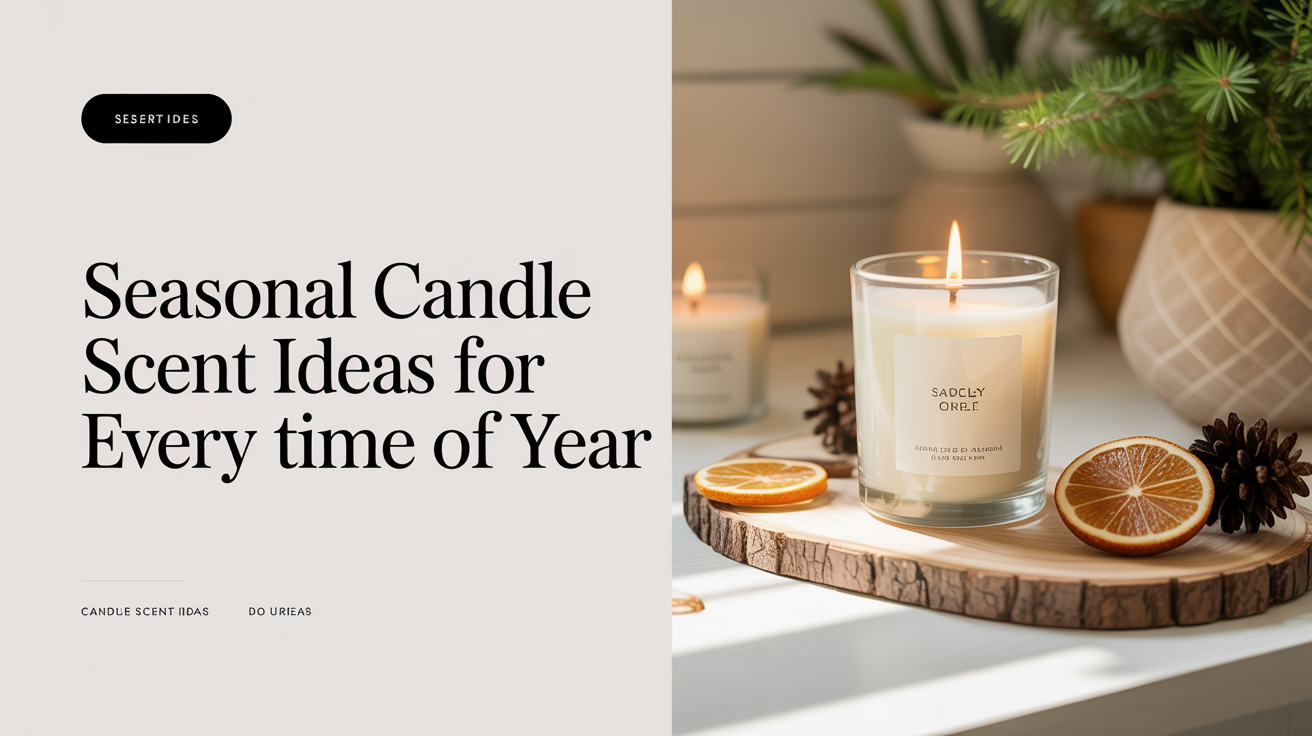
Your nose knows what season it is before the calendar says so. A whiff of pine needles signals December; sweet citrus and salt air say July. Matching your candles to that seasonal rhythm is one of the easiest ways to make your home feel intentional, and it gives you a built-in reason to keep making new batches all year long.
Here's a practical guide to scent ideas for every season, plus simple two- and three-note blends you can try as a beginner. Each suggestion works in standard soy or paraffin wax at typical fragrance loads (6–10% by weight).
| Season | Popular single scents | Blend idea |
|---|---|---|
| Spring | Fresh linen, peony, green tea | Linen + white tea + light musk |
| Summer | Citrus, sea salt, coconut | Lemon zest + sea salt + a hint of driftwood |
| Fall | Pumpkin, cinnamon, cardamom | Pumpkin spice + vanilla + clove bud |
| Winter | Pine, fir, vanilla | Fir needle + cedar + vanilla bean |
Spring: Clean, Floral, and a Little Green
Spring scents lean toward freshness, the smell of laundry hung out to dry, a garden after rain, or the first flowers opening up. They tend to be lighter and more transparent than the deeper autumn and winter options, which makes them forgiving to blend.
Single scents to start with
Fresh linen is probably the most beginner-friendly spring fragrance. It reads as clean without being soapy, and it pairs well with almost anything. Peony and jasmine add a soft floral note that doesn't tip into perfume territory. Green tea and cucumber keep things crisp and mild.
If you want something a little unexpected, rain or petrichor fragrances (the earthy smell of rain on dry ground) are genuinely pleasant and a bit different from the usual floral options.
A spring blend to try
Combine linen (50%) + white tea (30%) + light musk (20%) for a layered, clean scent that works in a bedroom or bathroom. The musk anchors the lighter top notes so the candle doesn't smell like it disappears once it's burning.
Summer: Bright, Citrus, and Coastal
Summer candles tend to be energizing rather than cozy. Think citrus, sea air, and things that remind you of being outdoors. These scents work especially well in living rooms and kitchens where you want something fresh rather than warming.
Single scents to start with
Lemon zest, grapefruit, and orange peel are the most popular summer citrus options. They're bright but can fade quickly in wax, so use them at the higher end of your fragrance load (closer to 10%) for a stronger throw.
Sea salt and ocean breeze fragrances add a mineral, slightly aquatic quality that pairs well with citrus. Coconut leans tropical; sunscreen fragrances (yes, they exist) are surprisingly nostalgic. Basil and tomato leaf are savory options that smell like a summer garden and work well in kitchen candles.
A summer blend to try
Try lemon zest (50%) + sea salt (30%) + driftwood or cedar (20%). The citrus pops up front, the salt adds depth, and a small amount of wood keeps it from smelling flat. This is a good candle for a porch or sunroom.
For a simpler option: coconut (60%) + lime (40%) burns clean and smells like a drink with an umbrella in it, no complaints there.
Fall: Warm, Spiced, and a Little Sweet
Fall candle scents are probably the most popular of the year, and for good reason. They're cozy, they smell like baking, and they fill a room quickly. The risk is that spice-heavy fragrances can be overpowering if you use too much, so start at 6–8% fragrance load and adjust from there.
Single scents to start with
Pumpkin spice is the obvious entry point, though it varies a lot by supplier, some versions are heavy on the nutmeg and clove, others lean more toward cinnamon. Cinnamon bark is warmer and woodsier than cinnamon candy, and it blends more naturally with other fall notes. Cardamom adds a slightly floral, almost smoky spice note that makes a blend feel more sophisticated.
For something a little different: apple cider, maple, toasted pecan, or hay and dried leaves fragrances all read as unmistakably autumn without being a copy of the pumpkin spice formula.
A fall blend to try
Pumpkin (40%) + cinnamon bark (30%) + vanilla (20%) + clove bud (10%) is a classic fall candle that smells like pie crust coming out of the oven. Keep the clove percentage low, it's a strong note that can easily take over.
If you want something less bakery and more outdoorsy: sandalwood (40%) + cardamom (30%) + dried tobacco leaf (30%). This one is earthy and rich without any sweetness. It works well in a study or living room with leather furniture.
For more ideas to pair with a fall project, check out beginner candle projects to try first.
Winter: Deep, Resinous, and Evergreen
Winter candles go in two directions: green and piney (fir, spruce, juniper) or warm and sweet (vanilla, sandalwood, amber). Both work, and they can be combined.
Single scents to start with
Fir needle smells like a freshly cut Christmas tree, sharp, resinous, and clean. Balsam is slightly softer. Pine is more common but can tip toward cleaning product if the fragrance oil isn't high quality, so read reviews before buying. Cedarwood is warmer and drier than the needled evergreens, and it pairs well with vanilla.
On the sweet side: vanilla bean is a versatile winter note that works with almost everything. Amber adds a warm, slightly smoky depth. Frankincense and myrrh are traditional winter scents that lean incense-y; they're polarizing but work beautifully in small rooms.
A winter blend to try
Fir needle (50%) + cedarwood (30%) + vanilla bean (20%) smells like a tree farm next to a warm fireplace. The vanilla softens the sharpness of the fir and keeps it from feeling cold. This is a strong, room-filling blend, use it in a larger container or a room where you want the scent to carry.
For something more festive: orange peel (40%) + cinnamon (30%) + clove (20%) + nutmeg (10%) is a mulled cider or spiced orange scent that works as a holiday candle without being too on-the-nose.
Building a Seasonal Blend From Scratch
Scent blending follows a simple structure: a top note (what you smell first, fades quickly), a middle note (the body of the scent), and a base note (what lingers longest). Most beginner mistakes come from skipping the base note, which is why some candles smell great cold but disappear after a few minutes of burning.
A reliable starting formula:
- Top note: 20–30% (citrus, light florals, fresh herbs)
- Middle note: 40–50% (spices, fruits, heavier florals)
- Base note: 20–30% (vanilla, musk, cedarwood, amber, sandalwood)
Seasonal single notes from the sections above slot neatly into this structure. Lemon zest is always a top note. Cinnamon bark is a middle note. Vanilla and cedar are base notes. Mix across categories and you'll get a more complete, longer-burning scent.
Start with small test batches (100–200g of wax) so you're not wasting materials while you dial in proportions. Keep notes on what you tried, your ratios from batch to batch won't be memorable without writing them down.
For a full walkthrough of how to build a blend from scratch, see how to blend candle fragrances like a pro. And if you're still working on your basic technique, how to make scented soy candles in jars covers the fundamentals before you start experimenting with fragrance.
Frequently Asked Questions
How much fragrance oil should I use for a scented candle?
The standard range is 6–10% fragrance oil by weight of the wax. For a 200g candle, that's 12–20g of fragrance. Soy wax typically holds fragrance well at 6–8%; paraffin can often take more. Going over your wax's maximum fragrance load causes oil pooling, poor burn quality, and potential fire hazards, always check your wax supplier's specs.
Can I mix fragrance oils from different brands?
Yes. Fragrance oils are generally compatible with each other regardless of brand. What matters is that each oil is rated for candle use (cosmetic or reed diffuser-grade oils aren't the same thing). Some fragrance oils behave differently in wax depending on their composition, so test any new oil in a small batch before committing to a large pour.
Why does my candle smell stronger unlit than when it's burning?
This is a cold throw vs. hot throw issue. Cold throw is what you smell from unlit wax; hot throw is the scent released while burning. Some fragrance notes (especially light florals and citrus) are volatile and fade faster when heated. If your hot throw is weak, try increasing your fragrance load slightly, or swap for a fragrance oil rated for strong hot throw by your supplier.
Which season has the strongest-smelling candles?
Fall and winter fragrances tend to have the most noticeable hot throw because spice, resin, and vanilla notes are heavier molecules that carry well in warm air. Spring and summer scents are usually lighter by design. If you want a strong-smelling candle in any season, anchor your blend with a base note, vanilla, amber, or cedarwood will all improve throw.
Are some fragrance oils unsafe to use at home?
Reputable candle fragrance oils sold for home use are formulated to safe standards (most quality suppliers follow IFRA guidelines). The main hazard is using too much, excess fragrance can pool on top of the wax and create a fire risk. Stick to recommended fragrance loads, and always do a supervised burn test before leaving a new candle unattended.