Wax & Materials
Paraffin vs. Soy Wax: Which Should Beginners Use?
Paraffin vs soy wax for candle making: scent throw, burn time, cost, and ease of use compared so beginners can choose with confidence.
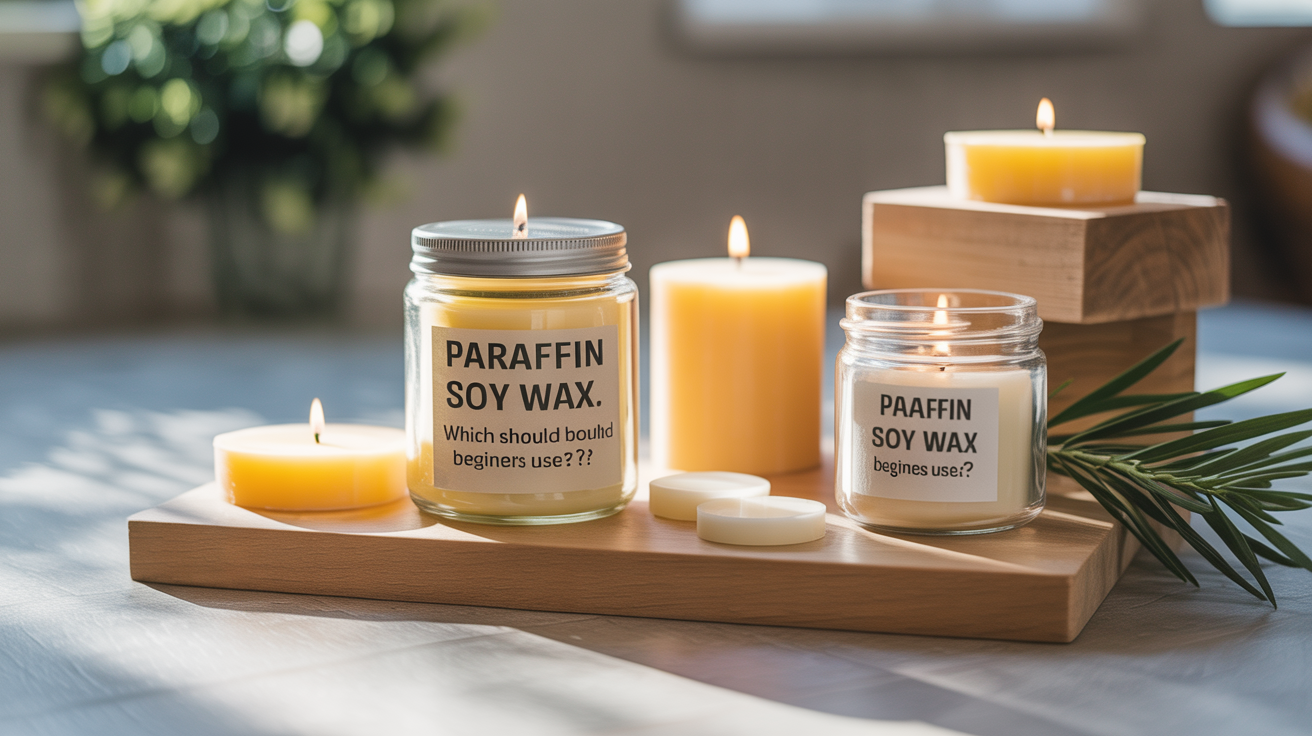
Paraffin or soy? It's the first real decision every candle maker faces, and the answer isn't as obvious as the internet makes it sound. Both waxes work well; they just work differently. Here's what each one actually does and why that matters for someone just starting out.
What Each Wax Is Made From
Paraffin wax is a byproduct of petroleum refining. It's been the backbone of commercial candle making for over 150 years because it's cheap, consistent, and easy to work with right out of the bag.
Soy wax is made from hydrogenated soybean oil. It became popular in the 1990s as a domestically grown, renewable alternative to paraffin. Today it's the default choice for small-batch candle makers and Etsy shops, largely because of its natural appeal to buyers.
Neither is "toxic" in any meaningful sense under normal use. Some sources claim paraffin releases dangerous chemicals, but the amounts produced during typical home burning are well below any established harm threshold. Skip the health claims on either side; they mostly aren't backed by rigorous data.
How They Compare: Key Factors
| Factor | Paraffin | Soy |
|---|---|---|
| Scent throw | Strong (hot and cold) | Moderate; good cold throw |
| Burn time | Slightly shorter | Burns 25–50% longer |
| Appearance | Smooth, glossy finish | Matte; prone to frosting |
| Ease of use | Very forgiving, consistent | More sensitive to temp/additives |
| Cost | Cheaper per pound | 10–30% more expensive |
| Cleanup | Needs mineral spirits | Soap and hot water |
| Eco appeal | Petroleum-derived | Renewable, biodegradable |
| Container candles | Good | Excellent adhesion |
| Pillar/taper candles | Excellent | Usually needs blending |
Scent Throw
Paraffin holds fragrance oil at higher loads and releases scent strongly both when cold and when burning. If you want a candle to fill a large room, paraffin gets there more reliably.
Soy wax tends to have a softer, more subtle hot throw. Its cold throw (the scent a candle gives off unlit) is often quite good. For small rooms and personal spaces, soy is perfectly pleasant; for large open areas, paraffin has the edge.
Burn Time
Soy burns cooler and slower than paraffin, which generally means more burn hours per pound of wax. A 10 oz soy candle will usually outlast a paraffin candle of the same size. For customers paying a premium for a handmade candle, longer burn time is a real selling point.
Appearance
Paraffin produces a smooth, almost glassy surface that looks polished and professional from the first pour. Soy is moodier: it frosting (a white, crystalline bloom on the surface) when it cools, and sinkholes are more common if pour temperature is off. Frosting is normal and harmless, but it can surprise beginners who expect a pristine finish.
Soy's matte, slightly creamy look has its own appeal, and many buyers associate it with artisanal quality. It's a style difference, not a defect.
Ease of Use
Paraffin is more forgiving. It has a wider working temperature range, it cooperates with most fragrance oils at standard load rates, and it's predictable batch to batch. For someone still learning the basics, that consistency reduces variables.
Soy requires a bit more attention. Pour temperature matters more (too hot or too cold changes the surface finish). Some fragrance oils don't bind as cleanly with soy, which can cause seeping or poor throw. You also need to cure soy candles longer, usually 24 to 48 hours minimum, to let the wax and fragrance fully bond.
Sustainability and Natural Appeal
Soy wins this category straightforwardly. It's plant-derived, renewable, and biodegradable. For makers who want to sell to environmentally conscious buyers, "100% soy wax" is a meaningful label that resonates in the market.
Paraffin isn't evil, but it doesn't carry that story. If sustainability messaging is part of your brand, soy is the natural fit.
Cleanup
This is one of soy's most practical advantages. Soy wax washes off with hot soapy water. Paraffin requires mineral spirits or rubbing alcohol to remove from tools, pouring pitchers, and surfaces. For beginners working in a kitchen or small space, easier cleanup is a genuine quality-of-life difference.
Soy Blends: A Useful Middle Ground
Pure soy wax can be frustrating to work with at first. Soy blends, typically 60–90% soy combined with paraffin or coconut wax, are worth considering as a starting point. They retain soy's cleaner cleanup and natural appeal while improving scent throw and surface finish.
Many popular beginner-friendly waxes (like Golden Brands 464 or C3) are already formulated blends rather than pure soy. They're forgiving, widely available, and well-documented in online candle-making communities. You'll find plenty of tested fragrance load recommendations and wick guides for them.
For a deeper look at how soy interacts with fragrance and containers, see soy wax for candles: a complete beginner's guide. And if you want a broader overview of all your options before committing to either, types of candle wax explained for beginners covers paraffin, soy, beeswax, coconut, and blends in one place.
Which Should a Beginner Actually Choose?
For most beginners making container candles at home, soy or a soy blend is the better starting point. The cleanup is easier, the finished candles appeal to a wide range of buyers if you plan to sell, and the learning curve, while real, is manageable. The longer burn time also gives your candles a tangible advantage to communicate.
If you're making pillar candles, tapers, or novelty shapes that need to hold their form, paraffin is the practical choice. Soy doesn't have enough structural rigidity for freestanding candles without significant blending.
If scent throw is your top priority and you're not concerned about the natural label, paraffin will get you there faster with less fussing over fragrance load and pour temperature.
There's no wrong answer here. Many experienced candle makers keep both on the shelf and use each where it performs best. Starting with one, learning it well, and then experimenting with the other is a reasonable approach that most people find more useful than trying to optimize everything at once.
For context on how beeswax fits into the picture as a third option, beeswax candles: pros, cons, and how to work with beeswax breaks down a wax that's often romanticized but comes with its own quirks.
Frequently Asked Questions
Is soy wax really better than paraffin?
It depends on what you're optimizing for. Soy burns longer, cleans up easier, and carries a natural appeal that resonates with buyers. Paraffin has stronger scent throw, is more forgiving to work with, and costs less. Neither is objectively better; they're different tools for different situations.
Can beginners start with paraffin wax?
Yes. Paraffin is actually more consistent and forgiving than pure soy for a first batch. If you're making container candles and want to focus on learning wick sizing and fragrance ratios before dealing with soy's surface quirks, paraffin is a reasonable starting point.
Why does my soy candle have a white coating on top?
That's frosting, a natural property of vegetable-based waxes. It's caused by the wax recrystallizing as it cools. It doesn't affect scent or burn performance. Some makers treat it as a sign of natural soy; others minimize it by pouring at a slightly higher temperature and keeping candles away from drafts while cooling.
Do soy candles really burn cleaner than paraffin?
The honest answer is: not in any way that matters for home use. Both produce minimal soot under normal conditions. A well-wicked soy candle and a well-wicked paraffin candle are both clean-burning. Soot production is more about wick size and fragrance load than wax type.
What fragrance load can soy wax hold?
Most soy waxes handle 6–10% fragrance oil by weight. Some formulations go up to 12%. Exceeding the recommended load causes seeping and poor throw, not better scent. Check the wax manufacturer's specs for the specific product you're using, since blends vary.